
Transforming Asset Management with Predictive, Software-Driven Strategies
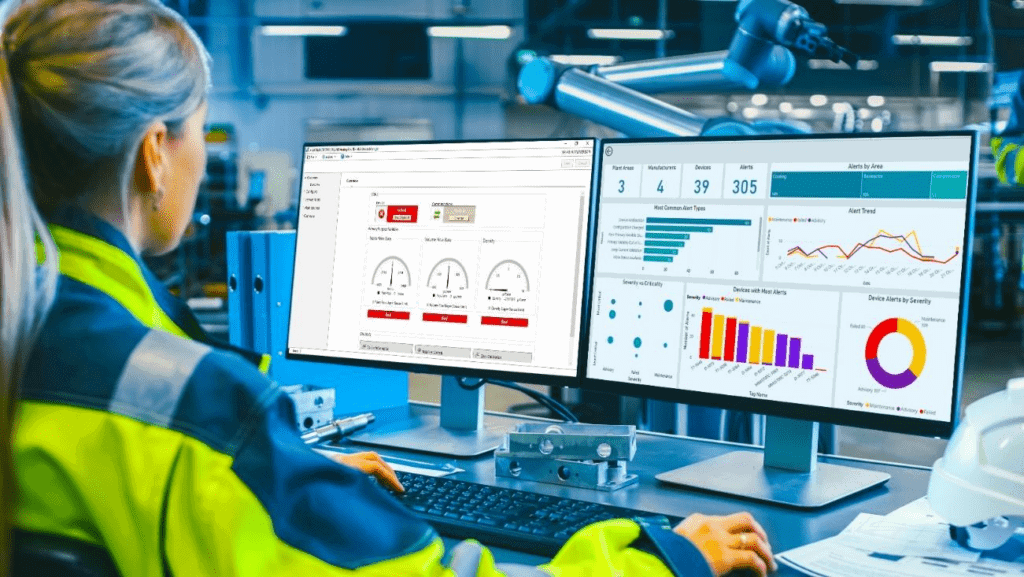
Plant asset management platforms enable digital transformation by allowing connectivity to a wide range of devices and host systems.
The day of easy reliability wins in the process plant are over. With routine issues resolved, teams now face complex, enterprise-wide challenges. As experienced workers retire, knowledge leaves with them. To adapt, organizations are turning to scalable digital tools that support less experienced teams and turn vast data into actionable insights. When built on open standards like OPC UA and MQTT, these systems enable maintenance, reliability, and operations teams to aggregate critical information from instrumentation, control valves, rotating equipment, and fixed production assets into a unified, globally accessible dashboard. In a secure, frictionless software environment, this data can then be used to automate corrective action when issues arise.
Today’s top reliability teams are shifting away from scheduled rounds by using asset management software that gathers data from wired and wireless IIoT sensors. This replaces manual, route-based inspections with a software-driven strategy for monitoring plant health, device configuration, and more. With pervasively installed sensors tagged to an asset management system, teams can instantly view the status of every device in the plant. Maintenance becomes predictive, with automatic alerts for potential issues—no need to wait for operators to report problems.
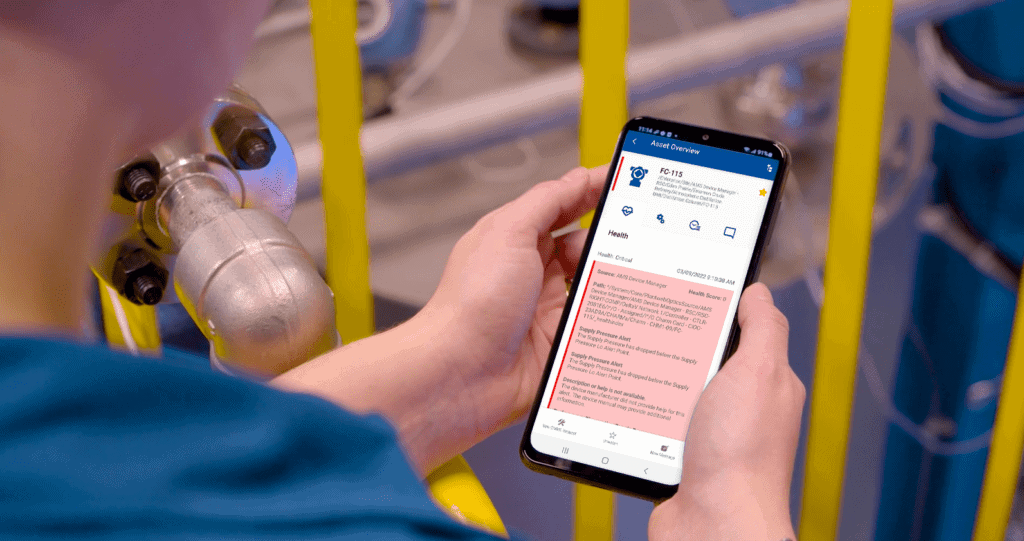
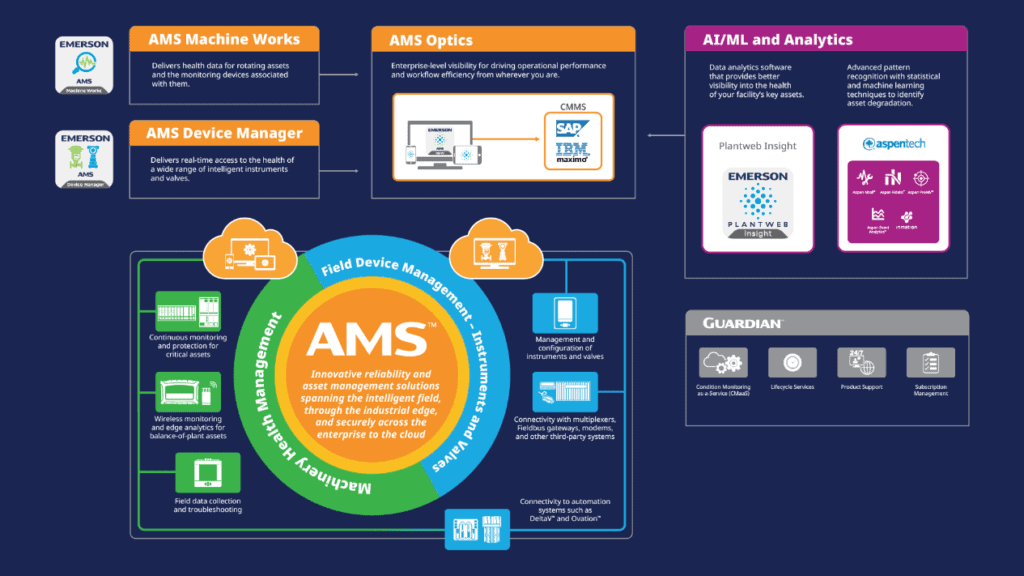
Plant asset management platforms like Emerson’s AMS Device Manager enable proactive field device maintenance from anywhere. Traditional maintenance reacts to failures, reducing availability and raising costs. Modern instruments and valves can self-diagnose, but their data often remains locked in the device.
By integrating AMS Device Manager with any control system, all connected devices can be monitored, diagnosed, and configured remotely—from the plant floor to a central hub or home office. The platform supports configuration and commissioning for faster setup, diagnostics to predict failures, calibration management to ensure accuracy, and documentation to automatically log events. With predictive diagnostics, calibration tracking, and complete documentation, AMS Device Manager reduces maintenance costs, improves asset availability, and minimizes paperwork—transforming maintenance from reactive to predictive while giving teams the insight to act decisively.
Extending predictive strategies to rotating and high-value turbomachinery assets, AMS Machine Works—a one-of-its-kind condition monitoring platform integrating rugged wireless sensors, portable analyzers, protection systems, and edge AI devices—can detect faults such as imbalance, misalignment, or bearing wear before they lead to failures. All this data is consolidated into a single interface, providing a real-time view of equipment conditions across the facility.
This unified “single pane of glass” view helps teams prioritize critical assets and respond quickly to abnormal conditions, while expanding monitoring coverage to remote or hazardous areas. Analytics applied at the edge allow maintenance teams to focus on the most pressing issues, reduce downtime, and maximize asset performance.
To learn more about how you can align maintenance, operations, IT, and data teams around one shared view of reliability, attend Emerson’s workshop “Breaking Silos, Building Uptime – Securing Enterprise Reliability in a New Era” on Wednesday, November 5 at 9:35 AM during the upcoming Asset Performance Conference.